
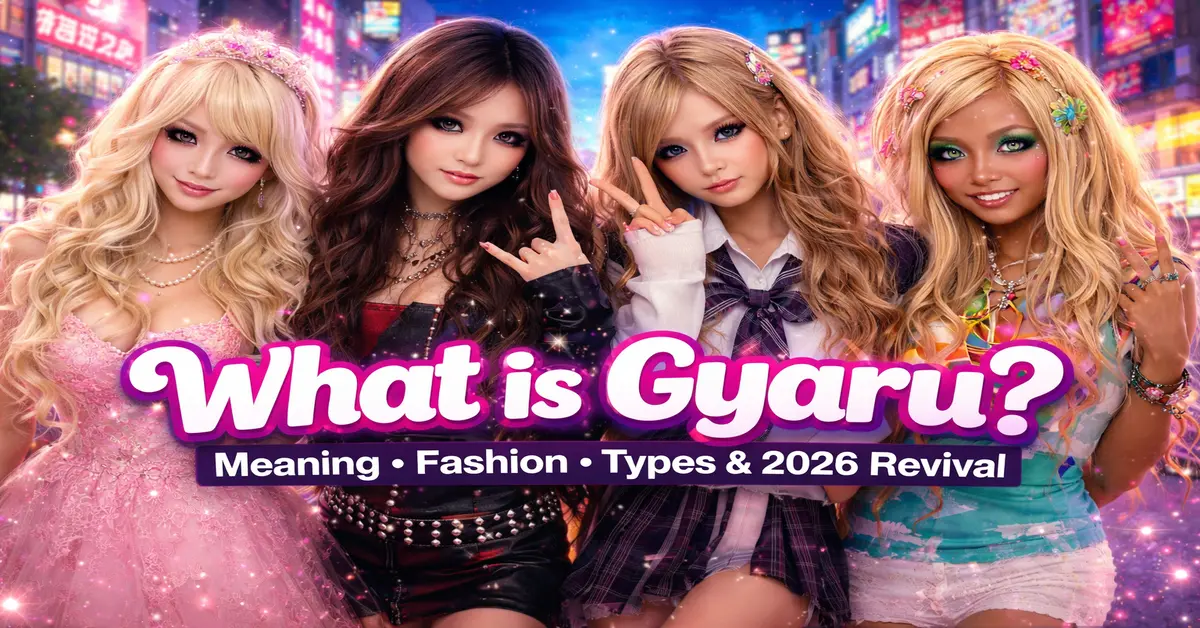
In 2026, gyaru is trending again across social media, fashion forums, and street style communities. What began as a bold youth movement in Japan has returned as a global style statement — blending nostalgia, rebellion, and unapologetic glamor. From dramatic makeup to platform heels, gyaru is once again influencing how Gen Z and young millennials express individuality.
Gyaru is a Japanese fashion subculture that emerged in the 1990s, characterized by bold makeup, voluminous hair, glamorous outfits, and a rebellious attitude toward traditional beauty standards. The term comes from the English word “gal,” reimagined within Japanese youth culture to represent confidence, self-expression, and nonconformity.
Unlike mainstream trends, gyaru is more than just clothing — it’s an identity. It challenges minimalism with excess, subtlety with drama, and conformity with individuality.
In this guide, you’ll explore the meaning of gyaru, its history in Japan, key fashion characteristics, popular substyles like Hime and Rokku, how it differs from Y2K fashion, and why gyaru is making a powerful modern comeback in 2026.
Gyaru Meaning & Definition
The word gyaru (ギャル) is the Japanese transliteration of the English word “gal.” In simple terms, gyaru means “girl,” but in Japan, the meaning evolved far beyond its literal translation. It came to represent a distinct youth identity centered around fashion, attitude, and rebellion against social expectations.
The term gained popularity in the 1990s, when Japanese teenagers began adopting bold Western-inspired looks that contrasted sharply with traditional Japanese beauty standards. Instead of pale skin and natural makeup — long associated with conventional femininity — gyaru embraced tanned skin, dramatic eye makeup, dyed hair, and glamorous outfits. Over time, the word stopped meaning just “girl” and started referring specifically to members of this fashion subculture.
Culturally, gyaru symbolized independence and confidence. It was closely associated with Tokyo’s youth districts, where self-expression through style became a form of quiet rebellion. Being a gyaru was not only about appearance but also about mindset — playful, outspoken, and unapologetically bold.
What is a gyaru?
A gyaru is a girl who follows the Japanese gyaru fashion subculture, known for dramatic makeup, voluminous hairstyles, and glamorous, statement-driven outfits.
What is gyaru fashion?
Gyaru fashion is a bold Japanese street style characterized by heavy eye makeup, tanned or contoured skin, body-conscious clothing, platform shoes, and highly styled hair designed to stand out rather than blend in.
The History of Japanese Gyaru
The history of Japanese gyaru begins in the early 1990s in Tokyo’s Shibuya district, a hub for youth culture and street fashion. During this time, teenage girls began experimenting with bold hairstyles, heavier makeup, and flashier clothing inspired partly by Western trends. Shibuya quickly became the center of this emerging movement, where young women gathered to express individuality through style.
Gyaru developed as a reaction against traditional Japanese beauty norms, which emphasized pale skin, subtle makeup, dark straight hair, and modest fashion. Instead of conforming, gyaru embraced tanned or highly contoured skin, bleached or dyed hair, dramatic eyeliner, false lashes, and eye-enlarging techniques. The aesthetic intentionally broke away from expectations of quiet femininity and restraint. For many, adopting gyaru style was a statement of independence and confidence.
By the early to mid-2000s, gyaru reached peak popularity. The look diversified into multiple substyles, each with its own identity — from glamorous princess-inspired aesthetics to edgy rock-influenced variations. Entire communities formed around these styles, and gyaru became one of Japan’s most recognizable fashion subcultures.
Magazines played a major role in shaping and spreading the trend. Youth-focused publications featured gyaru models, makeup tutorials, and styling guides that standardized certain looks while encouraging creativity. Media exposure turned gyaru from a niche street style into a nationwide phenomenon.
In the 2010s, interest gradually declined as minimalist and natural beauty trends gained traction. However, in the 2020s — especially approaching 2026 — gyaru has experienced a strong revival. Social media platforms have reintroduced the aesthetic to a global audience, blending classic gyaru elements with modern influences and proving that its bold spirit remains relevant.
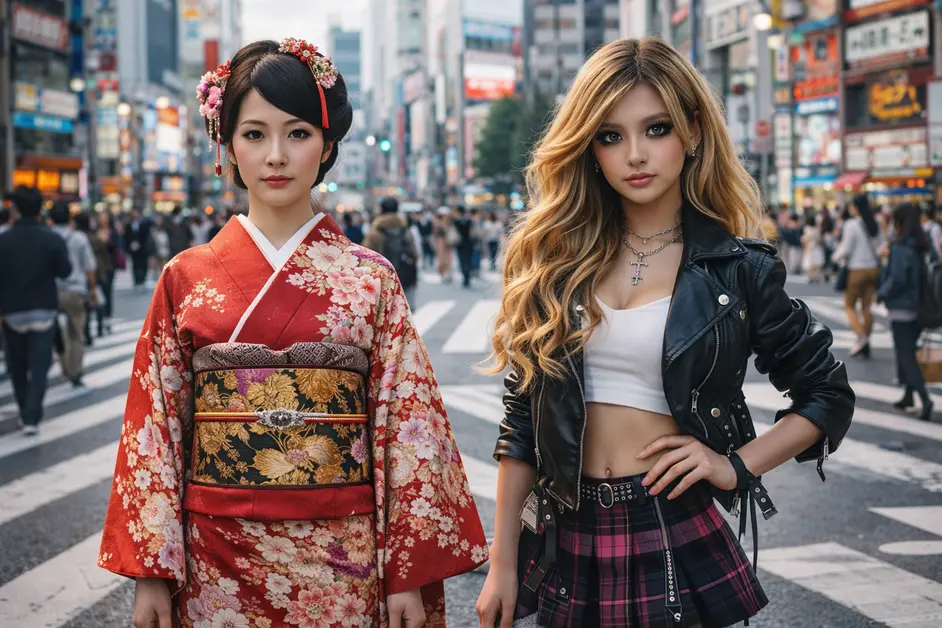
Key Characteristics of Gyaru Fashion
Gyaru fashion is defined by glamour, exaggeration, and bold self-expression. Every element — from clothing to makeup to hair — is styled to create maximum visual impact. Unlike subtle or minimalist aesthetics, gyaru embraces drama and femininity in an unapologetic way.
Core Fashion Elements
Clothing in gyaru fashion is designed to enhance curves and highlight confidence. Essential pieces include:
- Bodycon silhouettes that create a fitted, hourglass shape
- Mini skirts paired with cropped or fitted tops
- Fur trims on jackets, coats, and boots for a luxe touch
- Platform heels or chunky sandals to elevate height and presence
- Glam accessories such as oversized sunglasses, statement necklaces, rhinestone details, and embellished handbags
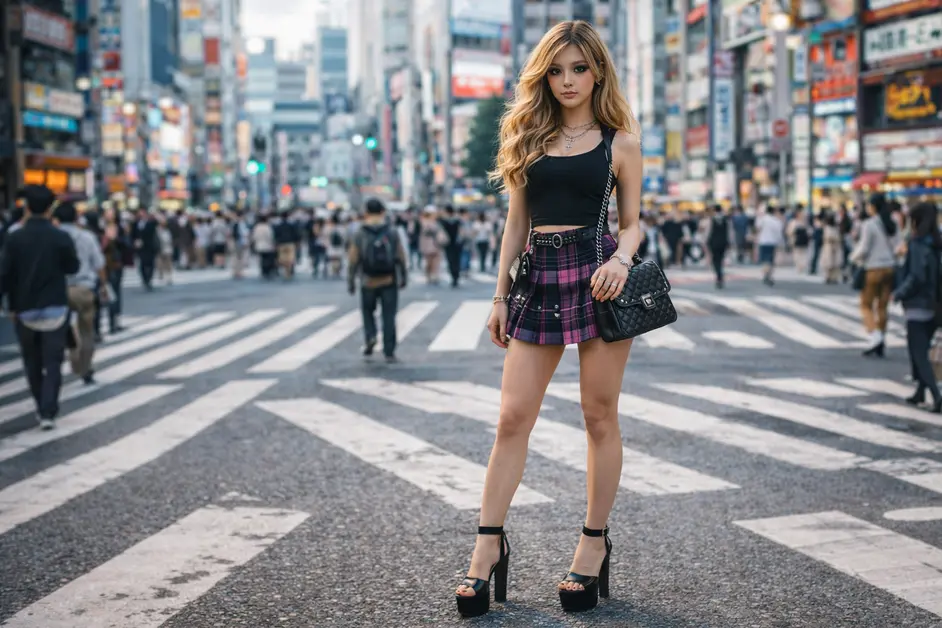
Outfits often combine bold textures and eye-catching details. The overall vibe is polished, feminine, and attention-grabbing.
Signature Gyaru Makeup
Makeup is one of the most recognizable aspects of gyaru style. The focus is on enlarging the eyes and sculpting the face.
Key makeup features include:
- Dramatic eyeliner applied on both upper and lower lash lines
- Heavy false lashes for a wide-eyed effect
- Circle lenses to make the iris appear larger
- Strong contour and highlight to define facial structure
- White under-eye highlight to brighten and expand the eye area
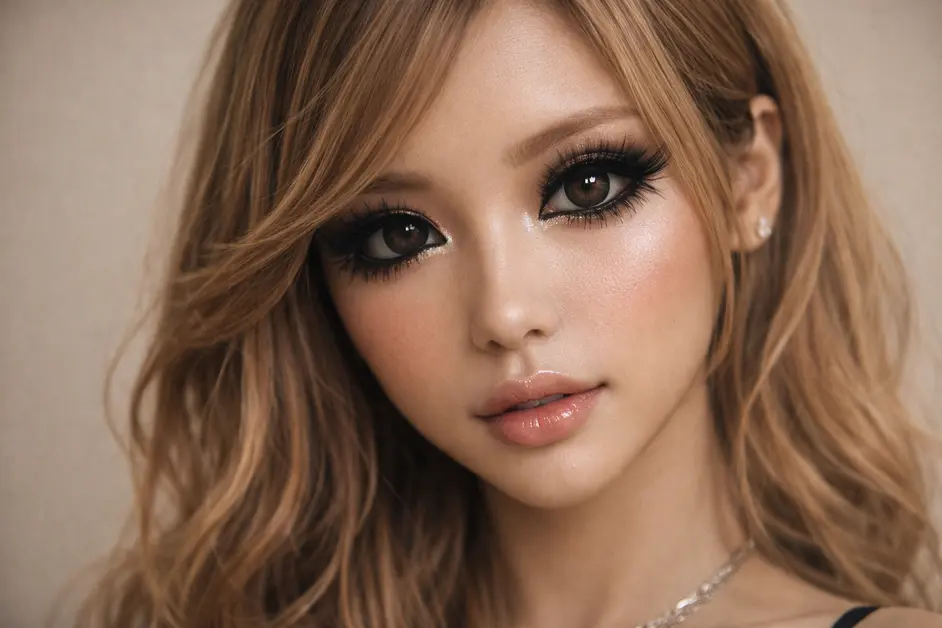
The result is bold, doll-like, and highly stylized.
Gyaru Hairstyles
Hair adds volume and completes the transformation.
Common hairstyle elements include:
- Big, teased volume for dramatic shape
- Dyed hair in blonde or light brown shades
- Extensions for added length and fullness
- Soft curls or defined waves for texture
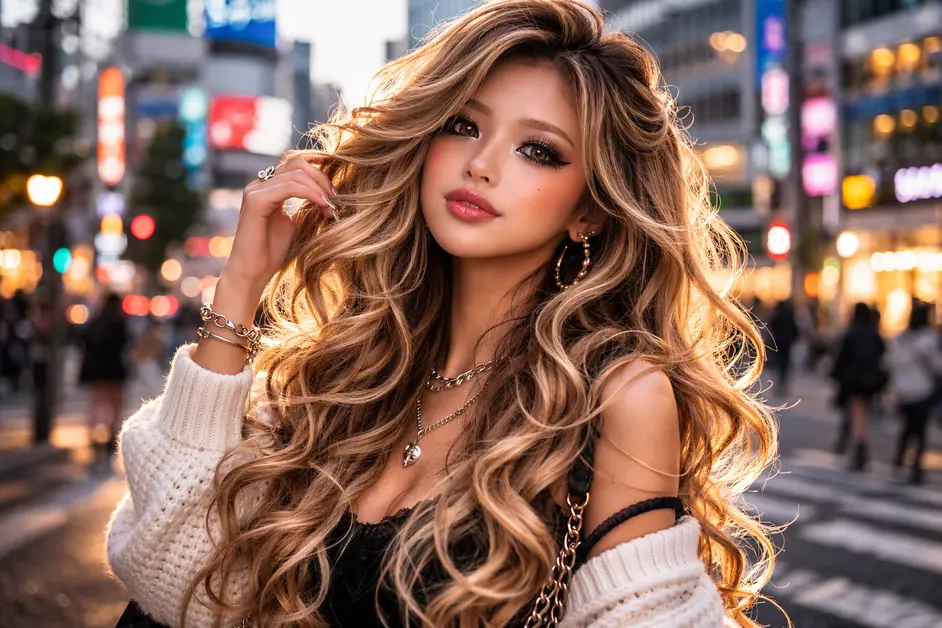
Quick Summary:
Gyaru fashion combines bodycon outfits, mini skirts, platform heels, dramatic eye makeup, voluminous dyed hair, and glamorous accessories to create a bold, high-impact feminine style.
Popular Gyaru Substyles You Should Know
Gyaru fashion is not a single look — it is a diverse subculture made up of multiple substyles, each with its own color palette, attitude, and aesthetic focus. While all gyaru styles share dramatic makeup and bold presentation, the clothing and vibe can vary significantly. Below are the most influential and recognizable types of gyaru.
Hime Gyaru (Princess Gyaru)
Hime gyaru represents the ultra-feminine, fairytale-inspired side of the subculture. The word hime means “princess,” and the style reflects that elegance. It is centered around soft pink and white tones, lace details, bows, pearls, and glamorous embellishments.
Key elements include voluminous curled hair, dramatic lashes, and highly decorative outfits. Tiaras, lace dresses, faux fur trims, and rhinestone accessories are common must-haves. The overall silhouette is fitted but refined, creating a polished and luxurious princess vibe. Hime gyaru blends sweetness with glamor, resulting in a romantic yet bold statement look.
Rokku Gyaru
Rokku gyaru (rock gyaru) brings a rebellious edge to the aesthetic. Inspired by rock music culture, this substyle leans heavily on black and red color schemes.
Leather jackets, studded belts, ripped fabrics, and metallic accents define the wardrobe. Mini skirts and bodycon pieces are often paired with chunky boots or platform heels. Makeup remains dramatic but may appear slightly darker or smokier than other gyaru variations. Rokku gyaru projects confidence, independence, and a rebellious rocker attitude while maintaining the glam foundation of traditional gyaru.
Kogal
Kogal is one of the earliest and most recognizable gyaru variations. It originated from a remix of Japanese school uniforms, styled in a deliberately exaggerated and playful way.
Signature elements include loose socks, shortened skirts, dyed hair, and noticeably tanned or contoured skin. The look often features navy blazers, ties, and layered accessories, transforming the traditional school aesthetic into a bold fashion statement. Kogal embodies youthful rebel energy — fun, social, and unapologetically expressive. It played a major role in popularizing gyaru culture in the late 1990s and early 2000s.
Agejo Gyaru
Agejo gyaru focuses on nightlife glamor and high-impact femininity. This substyle became closely associated with hostess-inspired fashion and upscale party aesthetics.
Wardrobes revolve around fitted bodycon dresses, plunging necklines, and luxurious fabrics. Gold and neutral tones are common, often paired with sparkling accessories and dramatic heels. Hair is typically long, voluminous, and carefully styled. Agejo gyaru presents a confident, glamorous nightlife vibe — bold, polished, and attention-commanding.
Ganguro
Ganguro is one of the most extreme and visually striking gyaru substyles. It emphasizes a deep tan, contrasting light makeup details, and vibrant neon clothing.
White under-eye and lip highlights are exaggerated to create high contrast against darker skin tones. Bright colors, platform shoes, and flashy accessories define the outfits. Ganguro intentionally pushed beauty boundaries and challenged traditional standards more aggressively than other variations. It represents bold individuality and fearless experimentation.
Onee Gyaru
Onee gyaru is the more mature and refined interpretation of the subculture. The term onee suggests an older-sister vibe — sophisticated, composed, and stylish.
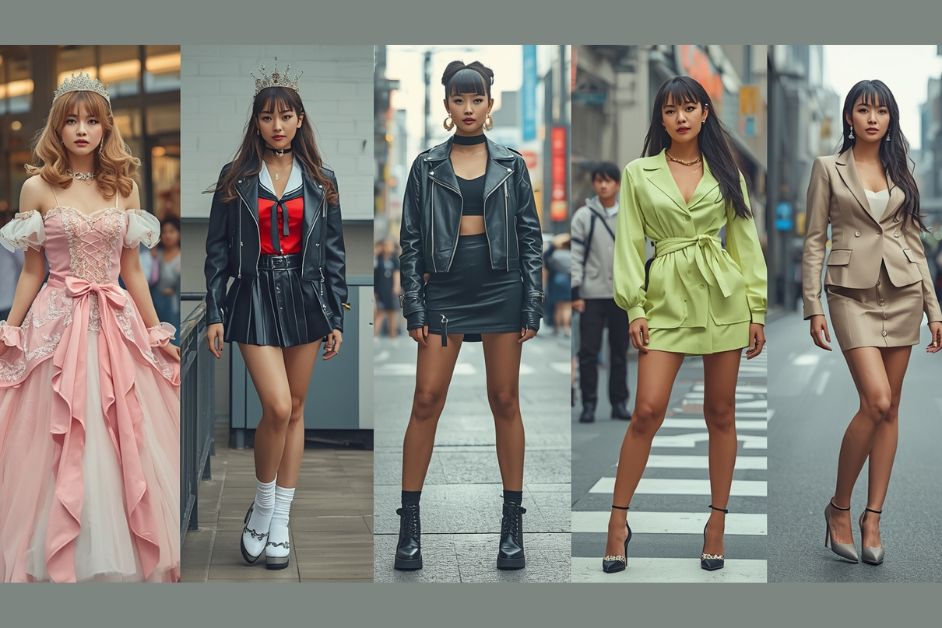
This substyle favors neutral tones such as beige, black, and soft browns. Outfits include fitted dresses, tailored pieces, and chic structured heels. Accessories are glamorous but less excessive than in other gyaru styles. Makeup remains dramatic but slightly toned down for elegance. Onee gyaru balances glamor with maturity, making it a versatile and modern-friendly variation.
Quick Comparison of Popular Gyaru Substyles
| Style | Primary Color | Must-Have Item | Vibe |
| Hime | Pink / White | Tiaras & Lace | Elegant Princess |
| Rokku | Black / Red | Leather & Studs | Rebellious Rocker |
| Kogal | Tan / Navy | Loose Socks | High School Rebel |
| Agejo | Gold / Neutral | Bodycon Dress | Glam Nightlife |
| Ganguro | Neon / Bright | White Eye Highlight | Extreme & Bold |
| Onee | Beige / Black | Structured Heels | Chic & Mature |
Gyaru Fashion vs Y2K Style – What’s the Difference?
Because gyaru originally peaked in the early 2000s, many people confuse gyaru fashion with Y2K style. While both aesthetics share certain visual similarities — such as mini skirts and platform shoes — they are fundamentally different in origin, intention, and execution. Understanding the distinction helps clarify why gyaru is a subculture, while Y2K is a broader fashion era.
Origins & Cultural Background
Gyaru fashion began in 1990s Japan, particularly in Tokyo’s youth districts. It developed as a street-driven subculture created by young women who wanted to challenge traditional beauty norms and social expectations. Gyaru was deeply connected to Japanese identity, rebellion, and self-expression.
Y2K style, by contrast, refers to mainstream global fashion from the late 1990s and early 2000s. It was influenced by Western pop stars, celebrity culture, music videos, and the futuristic excitement surrounding the new millennium. Rather than being rooted in one specific subculture, Y2K was widely adopted across the fashion industry.
Key difference: Gyaru is a Japanese subculture with a defined identity. Y2K is a global fashion period shaped by pop culture.
Makeup Differences
Makeup is one of the clearest distinctions between the two styles.
Gyaru makeup is bold and exaggerated. It focuses heavily on enlarging the eyes through dramatic eyeliner, thick false lashes, contouring, circle lenses, and bright under-eye highlights. The overall goal is transformation and visual impact.
Y2K makeup, on the other hand, is typically softer and trend-driven. Frosted eyeshadows, glossy lips, thin brows (historically), and shimmering finishes were common. While playful, it does not aim to dramatically alter facial proportions.
Key difference: Gyaru makeup exaggerates and reshapes features, especially the eyes. Y2K makeup enhances trends without extreme transformation.
Outfit & Styling Differences
Although both styles may include mini skirts or platform shoes, the styling approach differs significantly.
Gyaru fashion emphasizes bodycon silhouettes, fur trims, layered accessories, and glamorous detailing. Outfits are designed to look dramatic and high-impact. Volume in hair and bold coordination are essential.
Y2K style leans toward low-rise jeans, baby tees, crop tops, denim-on-denim looks, and sleeker hairstyles. It carries a more casual, nostalgic energy inspired by early 2000s pop culture.
Key difference: Gyaru prioritizes glam drama and statement femininity. Y2K focuses on relaxed nostalgia and mainstream trends.
Attitude & Identity
Beyond clothing, the biggest difference lies in identity.
Gyaru represents confidence, rebellion, and independence. It began as a statement against conformity in Japanese society. Being a gyaru was about mindset as much as appearance.
Y2K style does not inherently carry a rebellious identity. It reflects a specific time period influenced by media and celebrity culture. Today, it is largely revived as a nostalgic aesthetic rather than a subcultural movement.
Key difference: Gyaru is an identity-driven subculture. Y2K is a fashion trend rooted in nostalgia.
Quick Comparison: Gyaru vs Y2K
| Category | Gyaru | Y2K |
| Origin | 1990s Japan |
Global late 1990s
|
| Makeup | Dramatic & Enlarged Eyes |
Frosted & Glossy
|
| Silhouette | Bodycon Glam | Low-rise Casual |
| Identity | Rebellion | Nostalgia |
How to Dress Like a Gyaru Girl in 2026
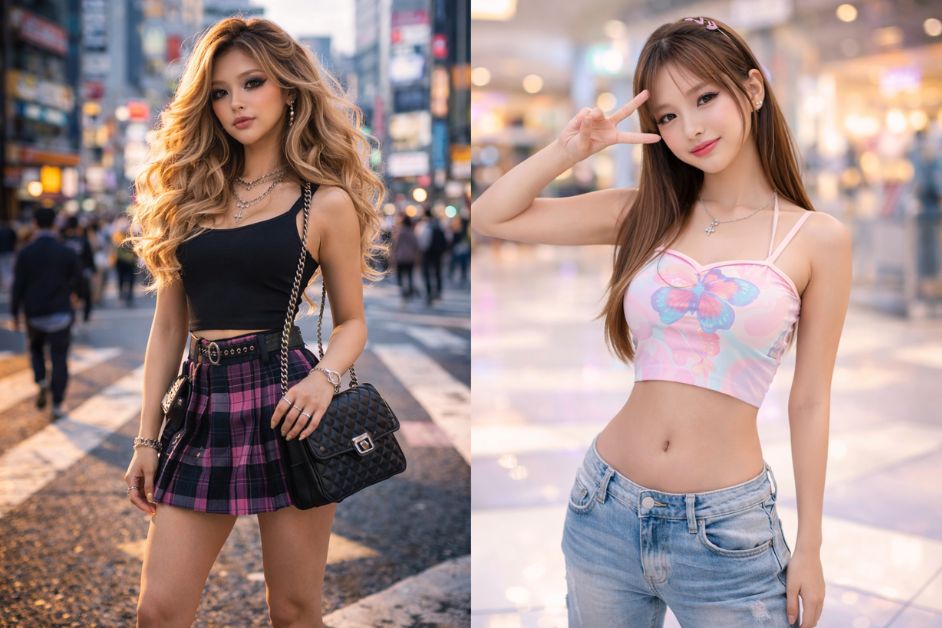
Dressing like a gyaru girl in 2026 is about balancing classic elements with modern updates. While the core aesthetic remains bold and glamorous, today’s interpretation allows more flexibility, making it easier for beginners to experiment with the style.
Beginner Starter Kit
If you are new to gyaru fashion, start with foundational pieces that instantly create the look:
- A fitted bodycon mini skirt or dress
- Chunky platform heels
- Dramatic eye makeup with false lashes
- Voluminous curled hair
- Bold, eye-catching accessories
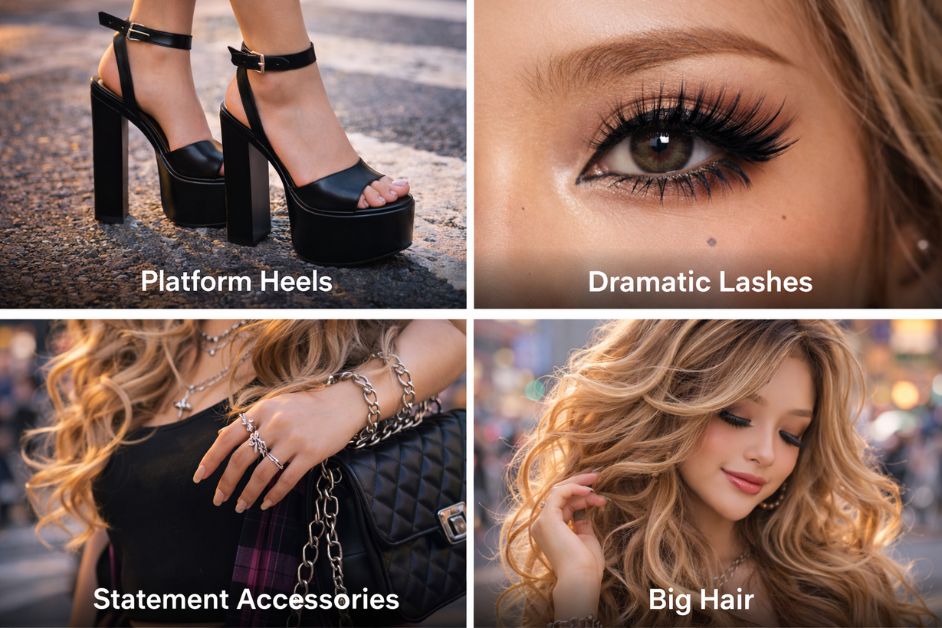
Focus on silhouette and makeup first. Even a simple outfit can look gyaru with the right hair volume and exaggerated eye styling.
Budget-Friendly Options
You do not need luxury items to achieve a gyaru look. Many essentials can be recreated affordably:
- Thrift fitted dresses or mini skirts
- Add faux fur trims or statement belts for glam detail
- Use drugstore lashes and eyeliner for dramatic eye makeup
- Clip-in extensions for added volume
The key is styling rather than price. Layering accessories and paying attention to hair and makeup creates the high-impact effect gyaru is known for.
Modern Interpretation
In 2026, gyaru is often blended with contemporary trends. You can modernize the look by:
- Pairing bodycon pieces with structured blazers
- Choosing neutral glam palettes for a softer onee-inspired style
- Mixing subtle Y2K elements while keeping dramatic makeup
The goal is to preserve the bold, confident energy while adapting it to current fashion sensibilities.
US Adaptation Tips
For those outside Japan, especially in the US, gyaru can be adapted for everyday wear:
- Opt for wearable platform heels instead of extreme heights
- Tone down tanning while keeping contour and highlight strong
- Choose statement pieces that fit your local climate and lifestyle
Confidence is essential. Gyaru fashion is less about perfection and more about attitude.
Where to Shop
Look for fitted silhouettes, statement heels, dramatic accessories, and hair extensions at general fashion retailers, thrift stores, and online marketplaces. Focus on pieces that can be styled glamorously rather than searching for niche labels.
Is Gyaru Still Popular in 2026?
Yes — gyaru is experiencing a noticeable revival in 2026, largely driven by social media platforms and nostalgia cycles. What was once considered a peak-2000s Japanese subculture has re-emerged as a bold alternative to minimalist fashion trends.
One of the biggest catalysts for this comeback is TikTok. Short-form beauty tutorials, transformation videos, and “get ready with me” content have introduced gyaru makeup and styling techniques to a new global audience. Dramatic eye looks, voluminous hair routines, and substyle breakdowns are frequently shared, making the aesthetic more accessible than ever.
Gen Z has also embraced gyaru for its expressive and rebellious energy. In contrast to clean-girl or understated aesthetics, gyaru offers maximalism, confidence, and visible effort. Many young creators are blending traditional elements — like heavy lashes and platform heels — with modern silhouettes and softer color palettes.
Another key factor is fusion styling. Instead of copying early-2000s looks exactly, today’s gyaru enthusiasts combine classic glam with contemporary trends. Structured blazers, refined neutrals, and updated hair techniques give the style a refreshed appeal.
Across Instagram, TikTok, and fashion communities, gyaru is no longer just a nostalgic reference. In 2026, it stands as a revived subculture adapted for a new generation that values individuality and bold self-expression.
Frequently Asked Questions
What is gyaru?
Gyaru is a Japanese fashion subculture that emerged in the 1990s. It is known for dramatic eye-enlarging makeup, voluminous dyed hair, bodycon outfits, and platform heels. More than just clothing, gyaru represents confidence, rebellion, and bold self-expression against traditional beauty standards.
What does gyaru mean?
The word “gyaru” comes from the English word “gal.” In Japan, it evolved to describe girls who follow a specific glamorous and exaggerated fashion style. Over time, gyaru became associated with a distinct youth identity centered on fashion, attitude, and independence.
Is gyaru the same as Y2K?
No, gyaru and Y2K are not the same. Gyaru is a Japanese subculture rooted in rebellion and identity, while Y2K refers to global late-1990s and early-2000s fashion trends. Although both include mini skirts and platform shoes, gyaru features more dramatic makeup and a stronger subcultural meaning.
What is a gyaru girl?
A gyaru girl is someone who follows the gyaru fashion subculture. She typically wears bold makeup, false lashes, fitted outfits, and styles her hair with high volume. Beyond appearance, being a gyaru often reflects confidence, social energy, and a refusal to conform to traditional expectations.
Is gyaru still popular?
Yes, gyaru is experiencing a revival in 2026. Social media platforms like TikTok have introduced the aesthetic to a new generation. Many young creators are blending classic gyaru elements with modern fashion, keeping the subculture relevant and visible worldwide.
What are the types of gyaru?
There are several types of gyaru, including Hime (princess-inspired), Rokku (rock-influenced), Kogal (school-uniform remix), Agejo (nightlife glam), Ganguro (extreme tan and bold makeup), and Onee (mature and refined). Each substyle shares dramatic elements but has its own color palette and vibe.
Final Thoughts – Why Gyaru Fashion Still Matters
Gyaru fashion remains significant because it represents more than an aesthetic trend — it reflects cultural change and youth-driven self-definition. When it first emerged, gyaru challenged long-standing beauty standards in Japan, redefining what femininity could look like. That cultural impact continues to influence how fashion is used as a tool for identity.
At its core, gyaru is about empowerment. It encourages boldness, visibility, and confidence in personal style. Rather than shrinking to fit expectations, gyaru amplifies individuality through dramatic makeup, statement outfits, and fearless presentation.
The subculture’s revival in 2026 proves its timeless appeal. Even as trends shift, the rebellious spirit behind gyaru remains relevant. It offers an alternative to minimalism and conformity, reminding each generation that fashion can be expressive, transformative, and unapologetically personal.
Gyaru still matters because it celebrates the power of standing out.